
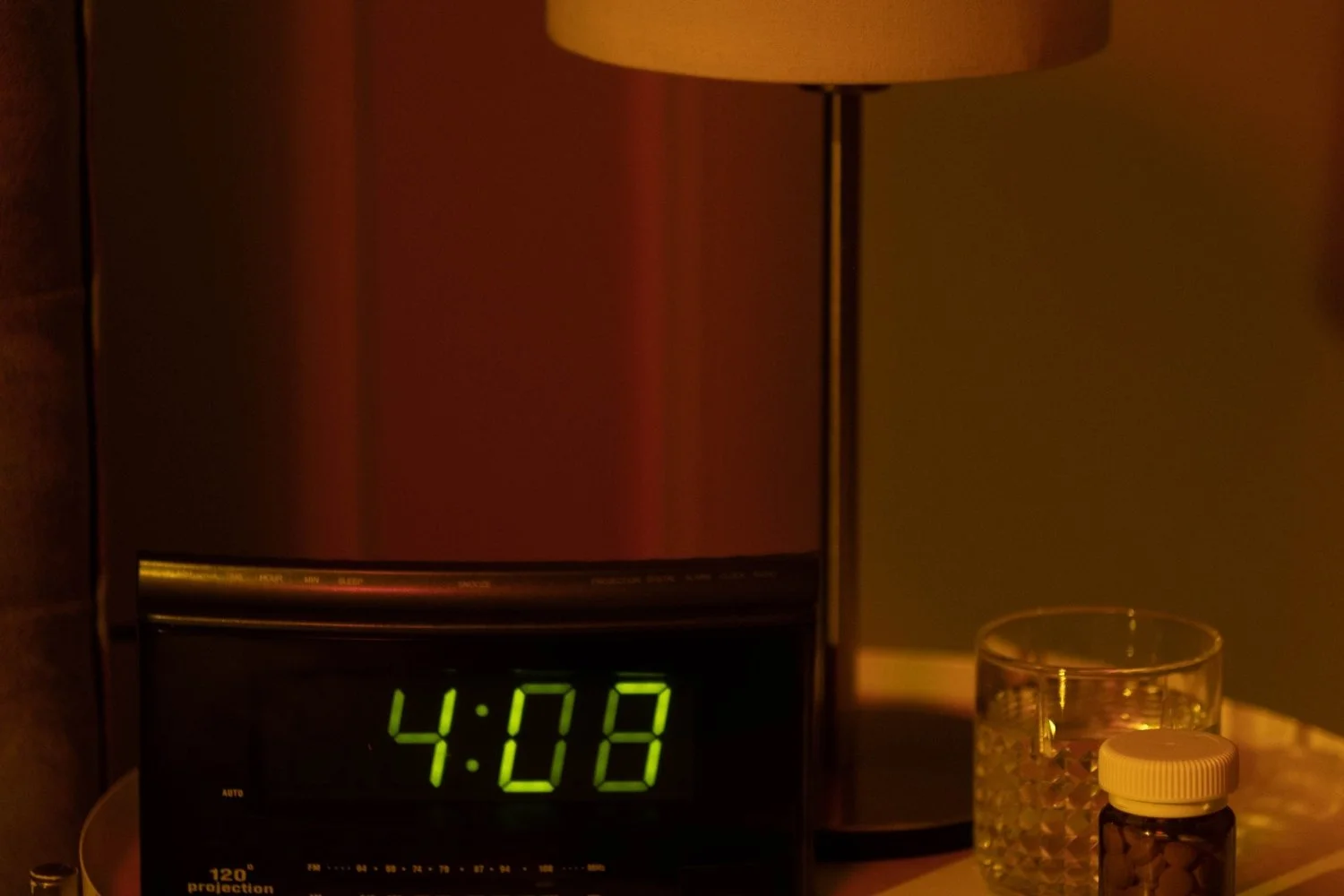
It's 10:30 p.m. You take your sleep medication and get into bed.
Most nights, it helps you fall asleep.
But at 4:00 a.m., you're awake again.
Why isn't this working anymore?
Should I take another one?
What would happen if I didn't take it at all?
If you're taking something to help you sleep, you may be wondering whether CBT-I is even an option for you.
It is.
You don't have to stop your medication to start CBT-I.
CBT-I works alongside medication. It focuses on the habits and worries that keep insomnia going, which medication usually doesn't change. Many people start CBT-I while they're taking something to sleep, and any decision about cutting back comes later, with their prescriber.
When Medication Helps, but Not Completely
Sleep medication can be helpful.
Maybe it got you through a stressful season. Maybe it's the reason you're getting any sleep at all right now.
But many people find that medication doesn't solve the whole problem.
You may still wake up in the middle of the night. You may still lie in bed worrying about whether you'll sleep. Or you may notice it doesn't work as well as it used to.
Many people also feel groggy the next morning. You got some sleep, but you don't feel rested, and it takes a while to get going. If that's happening to you, it's worth mentioning to your prescriber.
And some people simply don't want to take something to sleep forever.
When You Start Worrying About Sleeping Without It
After a while, it's common to start feeling like you need your medication to sleep.
Maybe you forgot to take it one night and slept poorly.
Now you think about it every night.
I can't sleep without it.
What if I run out?
What if I'm traveling and forget it?
That worry can make sleep feel even more fragile.
And the more you believe you can't sleep on your own, the more pressure you may feel at bedtime.
If worry is what keeps you up, you may also find Why Can't I Shut My Brain Off at Night? helpful.
Why Insomnia Can Keep Going Even With Medication
Medication can help you fall asleep or stay asleep.
But it doesn't necessarily change the patterns that keep insomnia going.
If you've been struggling for a while, you may have developed habits that make sense but can work against sleep. You may spend extra time in bed hoping to get more rest. You may go to bed early after a bad night. You may check the clock during the night.
Over time, your brain can begin to associate your bed with being awake.
Medication doesn't usually address that connection.
If you often wake up in the night and lie there for a long time, I explain more about why that happens in Why Can't I Get Back to Sleep When I Wake Up?
That's where Cognitive Behavioral Therapy for Insomnia, or CBT-I, comes in.
What Is CBT-I?
CBT-I is a structured treatment specifically designed for chronic insomnia.
It looks at the patterns that can develop when sleep problems continue. This includes your sleep schedule, what happens when you're awake during the night, how much you worry about sleep, and the relationship your brain has developed between your bed and wakefulness.
It's recommended as the first treatment for chronic insomnia. And because it works on the patterns underneath your sleep problems, the benefits tend to last after treatment ends.
Can I Do CBT-I While Taking Medication?
Yes.
Many people start CBT-I while they're taking medication for sleep. You keep taking it as prescribed while we work on your sleep together.
We'll track your sleep, including when you take your medication, so we can see what's happening.
As your sleep becomes more stable, some people decide they'd like to reduce or stop their medication.
That's a decision you make with your prescriber.
I'm a therapist, not a prescriber, so I won't tell you to change your medication. But I'm happy to coordinate with your prescriber if that's helpful.
What Does CBT-I Look Like?
CBT-I usually takes about six to eight weekly sessions.
At the start, you'll keep a simple sleep diary. Each morning you jot down when you went to bed, about when you fell asleep, when you woke up, and when you took your medication.
Each week, we look at your diary together. Then we make small changes to your sleep schedule and to what you do when you're awake at night.
Some weeks can feel harder before they feel easier. You may feel more tired at first while your sleep pattern resets. That's expected, and we adjust as we go.
You won't be asked to give up your medication to get started. We begin with where you are right now.
What About Melatonin or Over-the-Counter Sleep Aids?
The same is true if you use melatonin or an over-the-counter sleep aid.
You can keep using it while you do CBT-I.
It's still a good idea to let your doctor or pharmacist know what you're taking, especially if you take other medications.
What If You Don't Want to Rely on Medication Forever?
If you're taking something to sleep and still not sleeping well, it's understandable to feel discouraged.
You may wonder if this is just how your sleep is going to be.
It doesn't have to be.
You don't have to choose between medication and CBT-I. For many people, CBT-I helps them feel more confident in their own ability to sleep, whatever they decide about medication.
If you're tired of depending on something to get through the night, feeling groggy the next day, and worrying about what happens if you stop, CBT-I may be worth exploring.
I provide CBT-I for adults in Washington State through telehealth. If you'd like to learn more, visit my Insomnia & CBT-I page to see how therapy can help.
This post is for general information and isn't medical advice. Please talk with your prescriber before making any changes to your medication.