
Why Do I Sleep Worse When the Days Get Shorter?
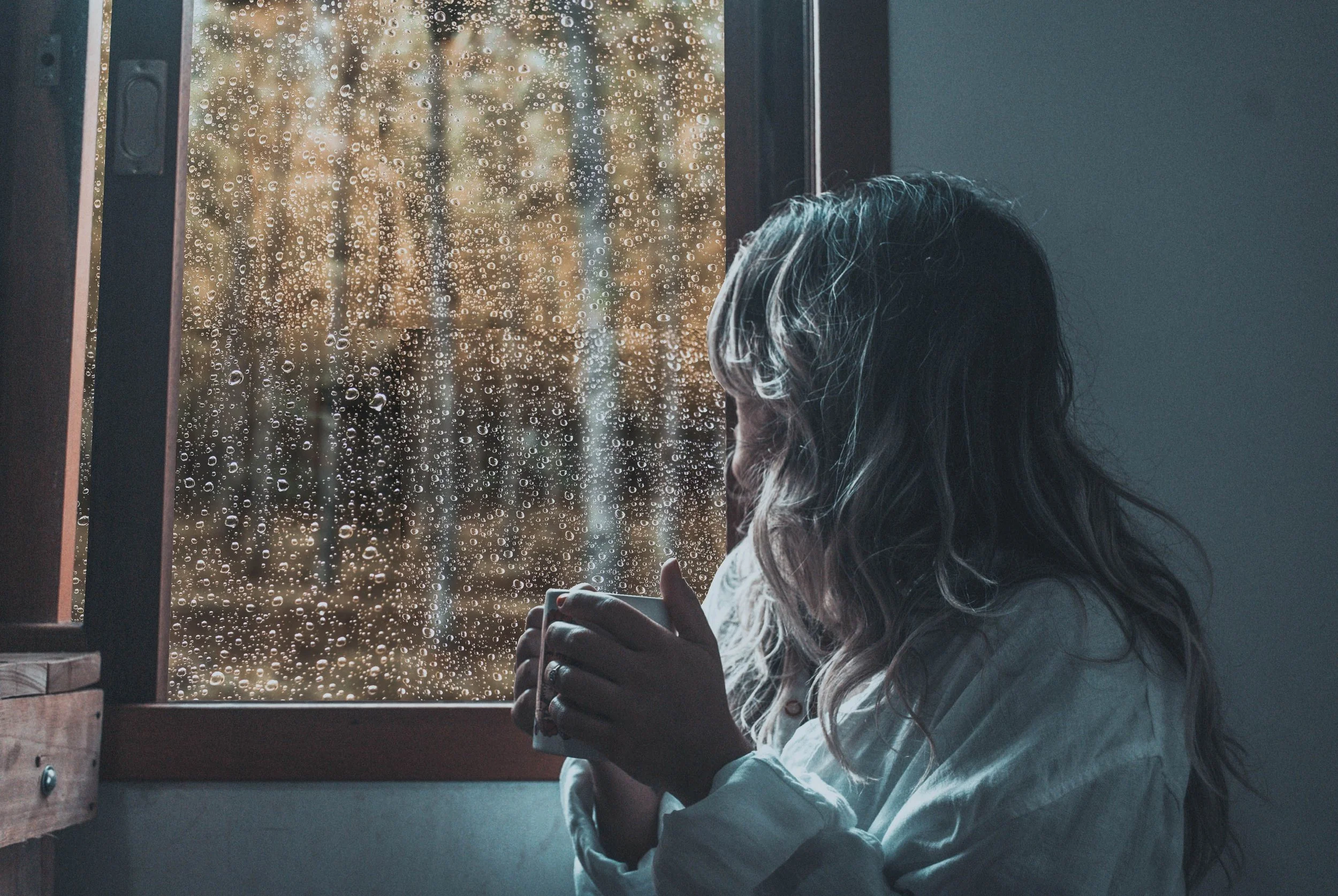
It's 6:30 in the morning and it's still dark outside.
Your alarm goes off and you feel like you could sleep for three more hours.
But last night, you were lying awake at 11:00. Then again at 2:00 a.m.
Why am I so tired in the morning and so awake at night?
I was sleeping fine this summer.
If your sleep seems to get worse every fall, you're not imagining it.
Here in Washington, we lose a lot of daylight this time of year. By December, the sun is setting before 4:30 in the afternoon. And when daylight saving time ends, everything shifts by an hour.
Your body notices.
Shorter days mean less light, and light is one of the main signals your body uses to know when to be awake and when to sleep. The time change and the way we slow down in winter can throw things off even more. For most people this settles within a couple of weeks. When it doesn't, it may have become insomnia, and insomnia is very treatable.
Why Light Affects Your Sleep
Your body has a natural sleep-wake rhythm.
It helps you feel alert during the day and sleepy at night. And one of the most important signals for that rhythm is light, especially morning light.
When the mornings are dark and the days are gray, that signal gets weaker.
Your rhythm may start to drift.
You may feel groggy when you need to get up. And when bedtime comes, you may not feel sleepy in the way you expect.
When the Time Changes
When daylight saving time ends, we gain an hour.
That sounds like a good thing.
But for a lot of people, it means waking up earlier than they want to. Or feeling sleepy in the early evening and then being wide awake later.
Most people adjust within a week or two.
But if your sleep was already fragile, the time change can be enough to tip it into a rough stretch.
What We Do in the Darker Months
When it's dark and rainy, it makes sense to slow down.
You may go to bed earlier because it already feels late. You may sleep in on the weekends to catch up. Maybe you take a nap on a gray afternoon.
You may also spend more time inside and get less daylight overall.
These things are completely understandable.
But they can sometimes make sleep harder.
Going to bed before you're sleepy can mean more time lying awake. Sleeping in can shift your rhythm later, so Sunday night is harder. And napping can take away some of the sleep pressure you need at bedtime.
Tired Isn't the Same as Sleepy
In the winter, many people feel tired all day.
You may feel sluggish, low on energy, and ready for bed by 8:00 p.m.
But feeling tired doesn't necessarily mean you're ready to fall asleep.
You can feel worn down and still be alert when your head hits the pillow.
Then you're lying in bed wondering why you can't sleep when you've been exhausted all day.
If this sounds familiar, I write more about it in Why Can't I Fall Asleep Even Though I'm Tired?
When You Start Worrying About Sleep
After a few hard nights, it's natural to start thinking about sleep more.
I need to get to bed early tonight.
What if I'm up at 2:00 a.m. again?
I can't keep feeling like this all winter.
You may start dreading bedtime. You may check the clock during the night to see how much time you have left.
And the more you try to make sleep happen, the more alert you may become.
This can create a cycle:
Darker days shift your sleep → you have a few bad nights → you start worrying about sleep → you try harder to sleep → you stay awake longer.
At that point, the season may have started the problem, but something else is keeping it going.
Is It More Than Just the Season?
A few rough nights after the time change are normal.
But if you're having trouble falling asleep, staying asleep, or getting back to sleep several nights a week, and it's been going on for a few months, it may be insomnia.
And insomnia doesn't always go away when spring comes back.
If you're not sure whether what you're dealing with is insomnia, How Do I Know If I Have Insomnia? can help you sort it out.
If your mood also drops in the darker months, or you feel down most days, it's worth talking with your healthcare provider. Seasonal changes in mood are common, and help is available.
Why Sleep Hygiene May Not Be Enough
You may have already tried the usual advice.
You put your phone away earlier. You cut back on caffeine. You bought a sunrise alarm clock or tried to get outside more.
These things can support healthy sleep.
But if insomnia has become a pattern, changing your habits may not be enough on its own.
That's where Cognitive Behavioral Therapy for Insomnia, or CBT-I, can help.
What Is CBT-I?
CBT-I is a structured treatment specifically designed for chronic insomnia.
It looks at the patterns that can keep insomnia going. This includes your sleep schedule, what happens when you're awake at night, and how much you worry about sleep.
CBT-I also helps strengthen your body's natural sleep-wake rhythm, which can be especially helpful during the darker months.
The goal isn't to give you more rules about sleep.
Instead, CBT-I helps you change the patterns that are making sleep harder.
What If Your Sleep Gets Worse Every Winter?
If you find yourself dreading the darker months because you know your sleep will suffer, that's a hard way to go into winter.
You may wonder if this is just something you have to put up with until spring.
You don't necessarily have to.
Insomnia is treatable, in any season.
If you're tired of lying awake at night, dragging yourself out of bed in the dark, and wondering how you'll get through another winter, CBT-I may be worth exploring.
I provide CBT-I for adults in Washington State through telehealth. If you'd like to learn more, visit my Insomnia & CBT-I page to see how therapy can help.